
Skip to content
forge.Leadership

Forge Leadership

Build a leadership team that can run the business without every decision coming back to you.

We help owners develop the team members and managers already in the seats, clarify who owns what, and get follow-through to stick.

For owners and operators of healthcare practices and small-to-medium businesses at about $1M+ in revenue.

It starts with one conversation. If it’s a fit, we run a focused 90-day pilot with a few of your managers — plan on a few hours a month of your time.

Josh WhippleFounder · Executive Coach & Fractional COO/CPO
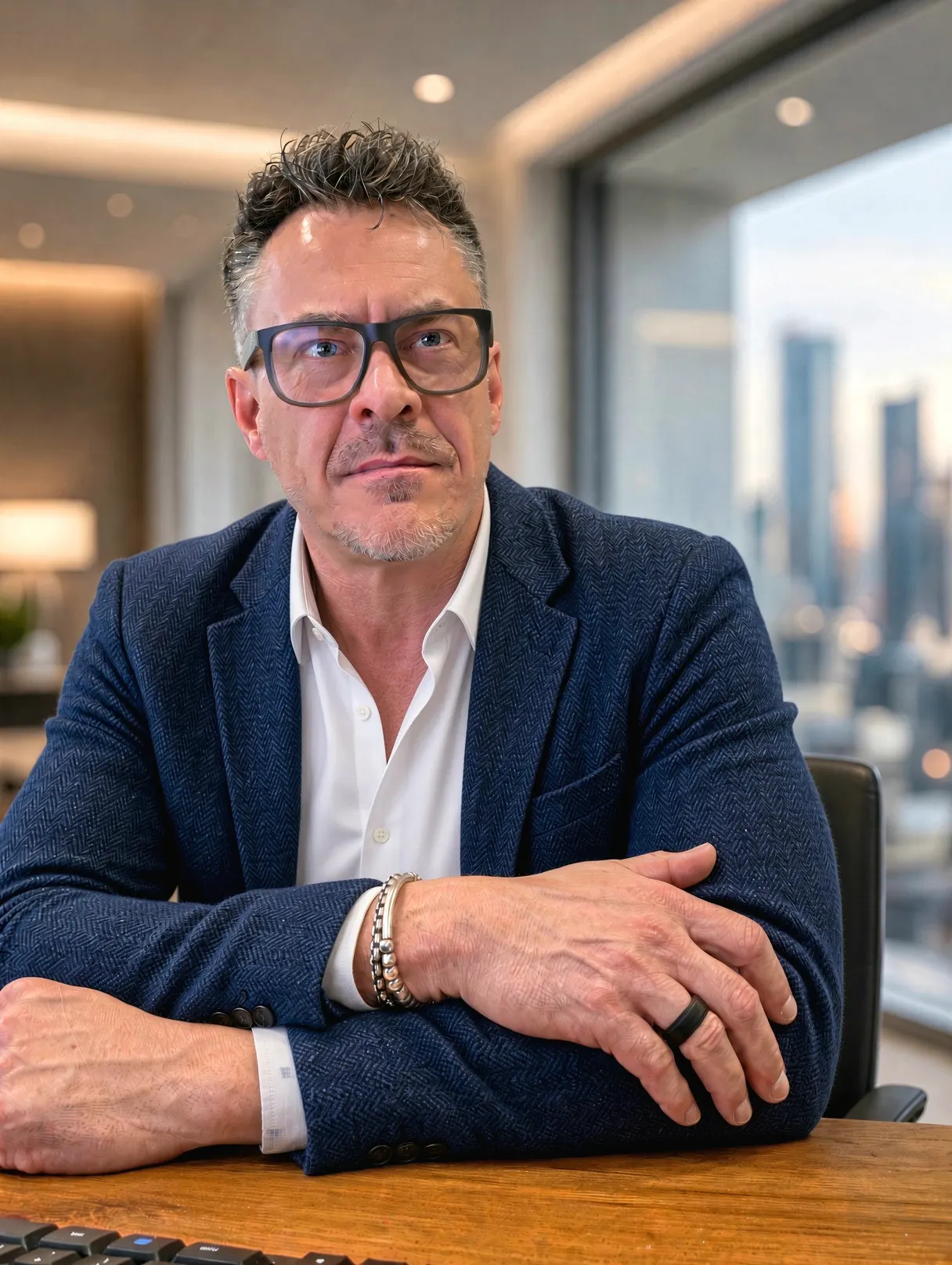
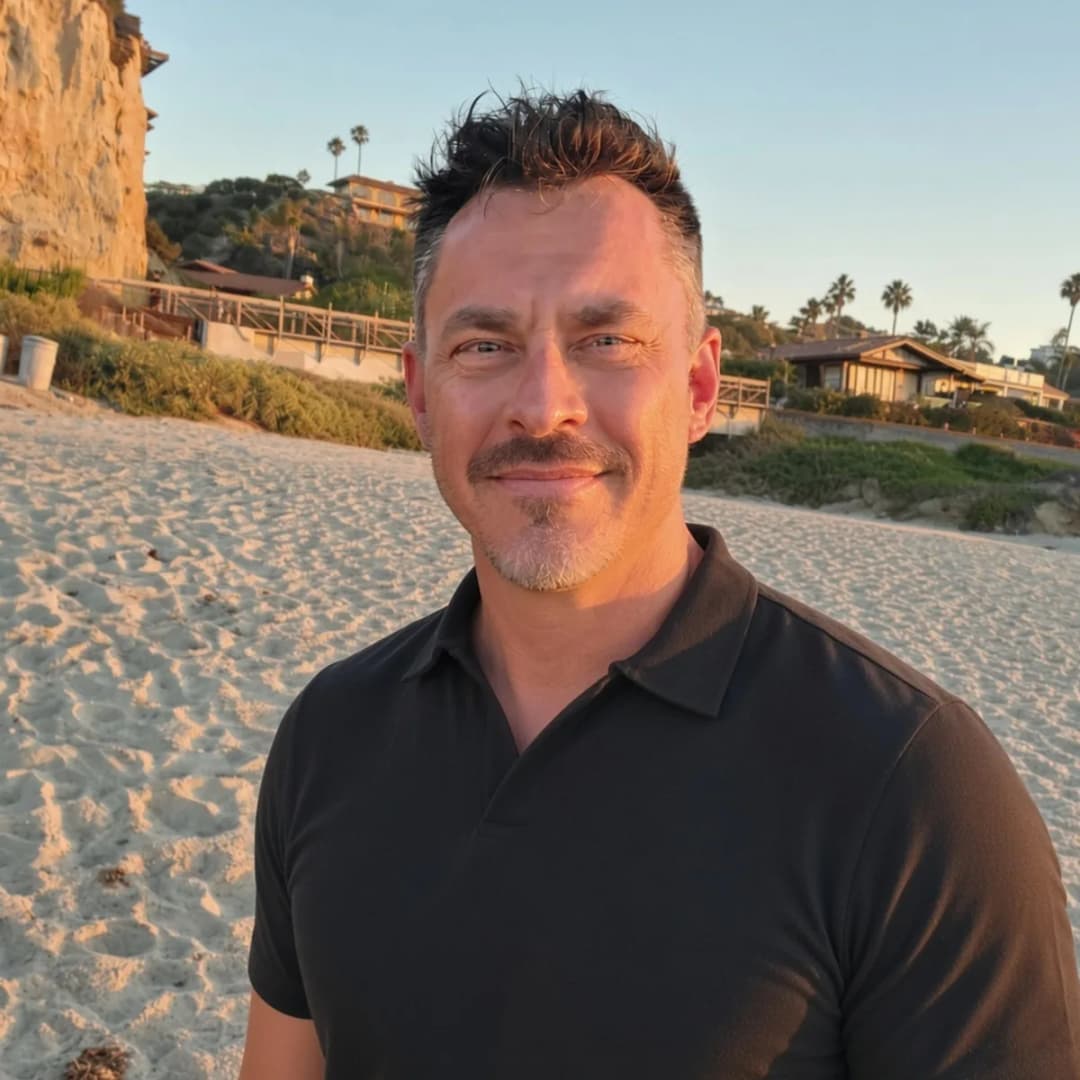
Josh Whipple, founder of Forge Leadership

Josh Whipple · Founder

Executive Coach & Fractional COO/CPO

For owners and operators

Healthcare practices

For owners and operators of healthcare practices

Small-to-medium businesses

Small-to-medium businesses at about $1M+ in revenue

Josh Whipple, founder of Forge Leadership
Josh WhippleFounder · Executive Coach & Fractional COO/CPO

01 / The founder

For owners who built something real and are still making too many of the calls.

Founded by Josh Whipple · Executive Coach & Fractional COO/CPO

Prior to founding Forge Leadership, Josh spent more than two decades inside large dental platforms — building the talent systems, operating models, and leadership pipelines that let organizations grow without the owner becoming the bottleneck.

More about Josh

He found most groups do not stall on the quality of the business idea or work. They stall on people, structure, and the leadership infrastructure required to scale without breaking. That is the problem Forge Leadership is built to solve.

Our coaches work right alongside you and the people who run your day-to-day. We develop the team and managers you already have, get clear on who owns what, and put structured operating pieces in place to make outcomes more reliable and predictable. The goal is simple: a team that can handle the next stage of growth without needing you in every decision.

linkedin.com/in/joshwhipple

BBA / BA — Mississippi StateMBA — Arizona State (Carey)Kolbe Certified Advisor

02 / LEAD

Four disciplines. Everyday situations.

That’s where the LEAD development program comes in. Josh built it and proved it in dental offices and groups, and it focuses on the four things that turn good people into leaders others choose to follow: a clear leadership brand, earned trust, reliable execution, and developing the next leaders. We use it with new managers, multi-site leaders, and executives.

LLeadership BrandYour brand is the story people tell when you are not in the room. It is built in small, consistent moments — not in titles.

In practice

When a manager has a hard conversation with an employee, do people already know what “good” looks like from that leader, or are they guessing?

Simply put, are you a leader others would CHOOSE to follow. That is the only requirement for leadership.

What changes for you: Your managers handle hard moments the way you would, without you in the room.

EEarn TrustCan someone tell the truth about a miss, or does everyone wait to see what the owner thinks first?

In practice

Trust is character, competence, and care, delivered repeatedly. When it is present, decisions get faster. When it is assumed, friction gets expensive.

What changes for you: Problems surface early, while they are still small.

AAchieve ExecutionDid this week’s priority actually move, or did it slide to next week because nobody owned the follow-through?

In practice

A few true priorities. Work that is visible. A short cadence of accountability. Fix the process before blaming the person.

What changes for you: Priorities move week to week without you chasing them.

DDevelop LeadersWho on the team is being stretched on purpose this quarter — not just kept busy?

In practice

Identify, stretch, coach, then protect time for development. The measure is the leaders you leave behind.

What changes for you: People are ready for the next seat before you have to hire for it.

03 / Most common challenges

These are the most common challenges we see for owners trying to scale.

01

The business still runs through you

When it’s working: Decisions get made at the right level, and your calendar has room for the work only you can do.

Read more

The challengeKey customers, pricing, exceptions, hiring, and the hard calls still land on your desk. There is no one who has been making those calls without you for a year. Growth stalls because the company cannot get bigger than your calendar. You stay stuck in the work instead of leading the business.

The solutionWe help you map the decisions that only you make, move them to the right people, and stay with those people until they can run it when you are not in the room. That is how you get time back and how the business can grow without everything waiting on you.


02

Your best people got promoted and nobody taught them how to lead

When it’s working: Managers hold the standard and have the hard conversation themselves.

Read more

The challengeThey were great at the work. But that doesn’t mean they know how to teach other people how to be great at the work. Standards slip, people check out, and you get pulled back into the day-to-day.

The solutionWe get those managers fluent in the four things that change outcomes: a clear standard, a real 1:1, feedback people can use, and follow-through. Short. Practical. Built on their actual jobs. When they can lead the team, you stop being the coach for every problem.

03

Development is random

When it’s working: When someone leaves or you open a new location, you already know who is next.

Read more

The challengeYou can usually spot who is good today. What is missing is a simple plan for who is next, who is a flight risk, and what skill the business needs in twelve months. Training, when it happens, is a class. It does not stick.

The solutionWe help you name the eight to twelve seats that matter, name who could sit in them, and put those people on real stretch work with coaching. Team members get a path. You get a bench instead of another expensive outside hire.

04

Roles are fuzzy, so nothing else holds

When it’s working: Everyone can say what they own, and meetings end with names and dates.

Read more

The challengePeople wear too many hats. Nobody is clearly on the hook. So you stay in the loop, and development has nothing solid to attach to.

The solutionWe help you write what each seat owns, who decides what, and how you will know it is working. Then we coach the managers to run that, not hover.

What owners usually try first

Many owners have already tried something: hiring an experienced manager from outside, sending people to a leadership class, a new org chart or software, or simply working longer hours. Those are not bad moves. They usually don’t stick because nobody stays with the managers while they learn to own real decisions in their real week. That is the part we do.

If we only do three things with a client, it is the first three. The fourth is what makes them last.

The order that works: take decisions off the owner, train the managers who now own those decisions, then put your high-potential people on stretch work in those same roles. That raises earnings, frees your time, and gives you a company you can grow without living in it.

If that is the gap you are sitting in, that is the work we do.

04 / How we work

Three ways we work with you

Most owners need more than one of these. Coaching you is not the same as coaching your managers. Putting a few operating pieces in place is different again. Here is what each looks like in practice.

Start a conversation
Two colleagues in a one-on-one conversation in lounge chairs, one listening while the other talks.

01

01 / The owner

Owner coaching

You are still making too many of the calls.

Read more

We sit with you on where you are the bottleneck, how you set priorities, and how you lead without living in every decision. We do not run your company for you.

Best when: you are the bottleneck and you know it.

Looks like: 1:1 time with a coach on your decisions, priorities, and calendar.

Managers gathered around a table reviewing a tablet and notes together during a working conversation.

02

02 / Your managers

Manager development

Your managers sit between you and the work.

Read more

We coach them on what actually changes the week: clear expectations, hard conversations, deciding without bouncing everything upstairs, and following through on a few true priorities. When they can lead, you stop being the coach for every problem.

Best when: your managers were promoted for being great at the work.

Looks like: coaching on real situations from their week, not a classroom curriculum.

A wooden work table with a laptop, coffee mug, notepad, and pen.

03

03 / The business

Operating help

Sometimes talk is not enough.

Read more

We help you install who owns what, a focused scorecard, and a meeting rhythm that produces next actions. When the work needs hands, we can take a defined slice ourselves — not hover, and not take over the company.

Best when: roles, scorecard, or meetings need to be built, not just discussed.

Looks like: we build them with you and can take a defined slice of the work.

Most pilots combine two or three of these. We’ll recommend a mix after the diagnostic.

05 / First 90 days

The 90-Day Leadership Pilot

For owners past $1M who want decisions off their desk.

We usually begin with a discovery conversation, then a light LEAD diagnostic, then a 90-day pilot with a focused group. After that we expand, adjust, or stop. The pilot makes the work real. It is not a remake of the company in a quarter.

  1. 01

    Discovery conversation

    Usually just the owner. About 45–60 minutes.

    We talk through where you or the team is getting stuck. You should leave knowing whether this is a fit and what a first step would look like.

    You leave with: A straight answer on fit and a suggested first step.

  2. 02

    Diagnostic snapshot

    Owner plus a few key managers when needed. A few conversations, not a week of interviews.

    A light read across the four LEAD disciplines: where leadership is strong, where it still has work, and where to focus first.

    You leave with: A written read across the four LEAD disciplines and the 1–3 places to start first.

  3. 03

    90-day pilot

    You and a focused group of managers — not the whole company at once.

    A defined stretch so the work can stick. Plan on a few hours a month for you, and a regular coaching cadence for managers.

    You leave with: Typically a responsibility map, a focused scorecard, manager coaching plans, and a tighter meeting rhythm, in use.

  4. 04

    Scale or refine

    Same people, with a clear read on what moved.

    We look at whether ownership is clearer, follow-through improved, and some of your time came back. Then we expand, adjust, or stop.

    You leave with: A clear read on what moved and a recommendation to expand, adjust, or stop.

Practical materials you can expect

Examples of the work, adjusted to what the diagnostic shows:

  • A responsibility map — who owns what, in language the team can use
  • A focused scorecard — a few true priorities, not another dashboard nobody reads
  • Manager coaching plans — what each leader is stretching into
  • A tighter meeting structure — commitments, blockers, next actions

How we judge progress

Clearer ownership, better follow-through on a few true priorities, and some of your time coming back. If those are not moving, we will tell you, and we will talk about adjusting or stopping.

06 / Founder background · not a Forge client result

Where this way of working comes from

Josh built this way of working inside dental offices and groups. That founder background is the foundation for how our coaches work with owners today. It is not a Forge client case study.

Josh has spent more than two decades building people, systems, and leadership infrastructure.

Inside one of the nation’s largest dental support organizations — over 1,000 locations — he owned talent and leadership development while the platform scaled from 9,000 to 17,000 employees across 30+ markets supporting roughly $3B in revenue. Roles included Regional Operations Leadership and Regional Director work, including multi-office P&L and operational standardization across markets.

At a multi-state pediatric dental group, he led strategic programs across 50+ pediatric and ortho practices — operational systems, leadership frameworks, and infrastructure for a growing multi-specialty platform.

Earlier, he spent a decade as COO and VP building organizational design, operating systems, and people strategy from the ground up in private practice. This is part of what makes him so relatable. He started at the front desk, doing the things that your team is doing now. He knows the work and knows how to make the best behaviors stick.

The team’s method comes from that experience: diagnose before prescribing, build systems that do not depend on one person staying in the room, and measure progress by owner time coming back and leadership capability built — not by activity completed.

Proven inside: a large national dental support organization (1,000+ locations) and a multi-state pediatric dental group.

07 / FAQ

Questions owners usually ask

I don’t have time for another initiative.

That’s usually the reason to start. The pilot is built to take work off your plate: plan on a few hours a month for you, with most coaching time spent with your managers.

What does it cost?

Every pilot is scoped after the diagnostic, so you see a fixed fee before you commit to anything.

We’re not a dental practice. Will this work for us?

Josh proved LEAD in dental offices and groups, but the problems it solves — decisions stuck with the owner, managers promoted without training, fuzzy roles — show up in any business past about $1M. We work with healthcare practices and small-to-medium businesses.

My partner or leadership team would need to be on board.

Good. The diagnostic can include a partner and a few key managers, so everyone sees the same read before anything is decided.

We’ve tried coaching or training before.

Training is usually a class, and classes don’t stick. We work on your managers’ actual week, stay with them while they take on real decisions, and check whether ownership, follow-through, and your time are actually moving.

What if it isn’t working?

We’ll say so. The pilot ends with a clear read, and you decide whether to expand, adjust, or stop.

Do you run the company for us?

No. We coach and help install structure. When the work needs hands, we can take a defined slice — but the goal is a team that runs without you, or us.

A person in an office pausing by a window, looking out thoughtfully.

08 / Start a conversation

Start a conversation about where you or the team is getting stuck.

Usually 45–60 minutes with the owner. We talk through what is stuck and what a first step might look like. You leave knowing whether this is a fit.

What happens next

  1. 1. Send a short note below.
  2. 2. Josh or one of our coaches replies to set a time.
  3. 3. We talk for 45–60 minutes. You leave knowing whether this is a fit and what a first step would look like. No obligation.

A good fit: Owners and operators at about $1M+ who are still making too many of the calls and want to develop the team they already have.

Probably not a fit: If you want someone to run the company for you, or you’re looking for a one-day training event.

Email hello@getforgeleadership.com. Prefer LinkedIn? linkedin.com/in/joshwhipple

Start a conversation

A few sentences is plenty.

Submitting opens an email draft to hello@getforgeleadership.com. Nothing is stored on a server. If the draft doesn’t open, email that address directly.